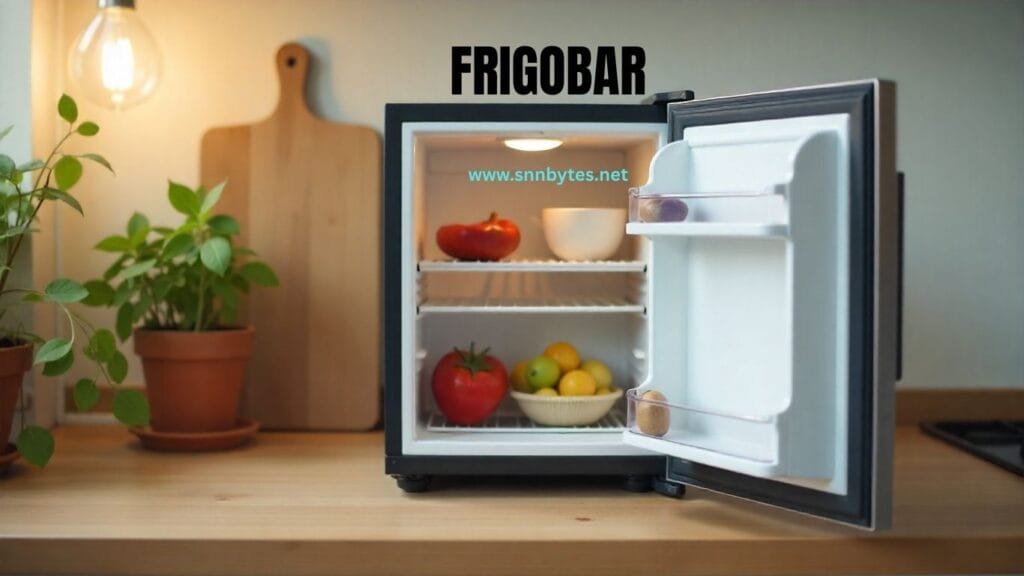

A frigobar is more than a tiny fridge. It is a convenience appliance, a space saver, and often a style statement. Whether you need cold drinks in a dorm, chilled snacks in a home office, or a compact beverage center for a studio apartment, the frigobar answers a clear need: reliable cooling in a small footprint.
This guide walks you through what a frigobar is, how it differs from a mini fridge, how to choose the right size and features, installation and maintenance tips, energy considerations, common problems and fixes, and finally, a thorough FAQ to remove any doubts.
What Is a Frigobar and Why People Buy It
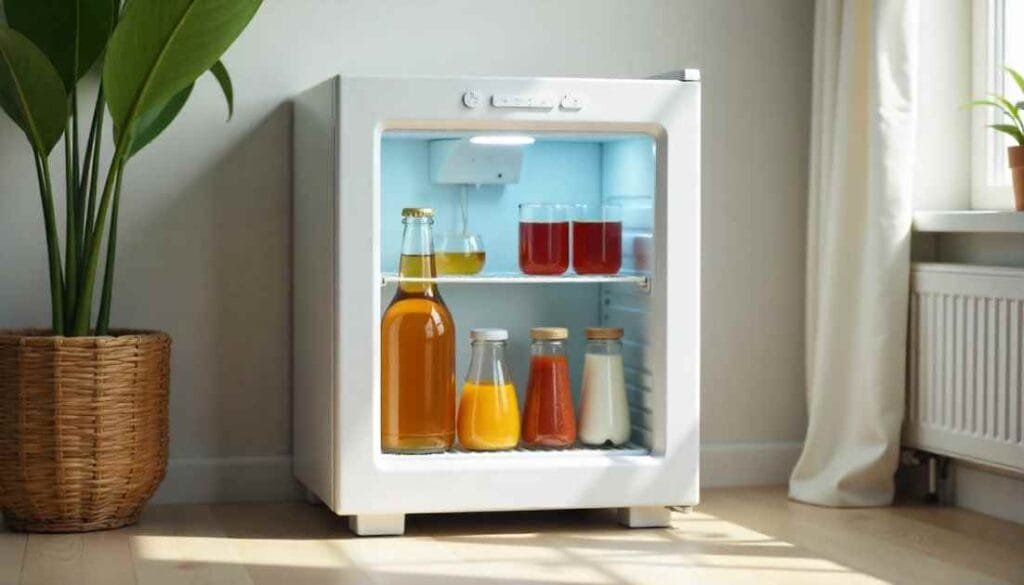
A frigobar is a compact refrigeration unit designed for small-scale refrigeration tasks. It looks like a small refrigerator but focuses almost exclusively on beverages and snacks. Simple. Practical. Useful.
People choose a frigobar for many reasons. Space. Price. Portability. The ability to add a second cooling zone without committing to a full-sized fridge. Think of a frigobar as the small, nimble sibling of the family fridge — it does fewer things, but those things it does very well.
Frigobar Versus Mini Fridge Versus Compact Refrigerator
The terms are often used interchangeably, which adds confusion. Here’s a quick clarity boost.
- Frigobar usually implies a very small unit primarily for drinks and light food storage.
- Mini fridge often has a small freezer compartment and can store a bit more variety.
- Compact refrigerator might be slightly larger and closer in performance to a full-size unit, but still smaller.
Short sentence. Then: it matters because features and expectations differ. If you want frozen storage, look beyond the basic frigobar.
Choosing the Right Frigobar — Sizes Capacity and Key Specs (Table Included)
Below is a quick tabular comparison to help you visualize typical options. This table is placed early so you can match your space and needs quickly.
| Type | Typical Volume (Liters) | Best For | Typical Feature Notes |
| Mini frigobar | 20–40 L | Single person dorm, bedside drinks | Simple shelving, light weight, low power |
| Small frigobar | 40–80 L | Studio apartment, office | Better shelving, sometimes reversible door |
| Compact fridge | 80–120 L | Couples, small kitchens | May include small freezer, improved cooling |
| Beverage center | 100–200 L | Home bar or office pantry | Adjustable racks for bottles, sometimes dual zones |
Use this as a starting map. It is general, not exhaustive. Models vary.
Quick Specs Table — Compare Common Features
| Feature | What to Look For | Why It Matters |
| Energy rating | Look for Energy Star or efficiency labels | Saves long term electricity costs |
| Noise level | Check decibel rating or reviews | Important for bedrooms and offices |
| Door type | Reversible door or lockable door | Flexibility and security |
| Cooling method | Compressor vs thermoelectric | Compressor = stronger cold, thermoelectric = quieter but weaker |
| Interior layout | Removable shelves, bottle racks | Helps store different items efficiently |
Tables done. Now back to the narrative.
Capacity and Layout: How Much Do You Really Need
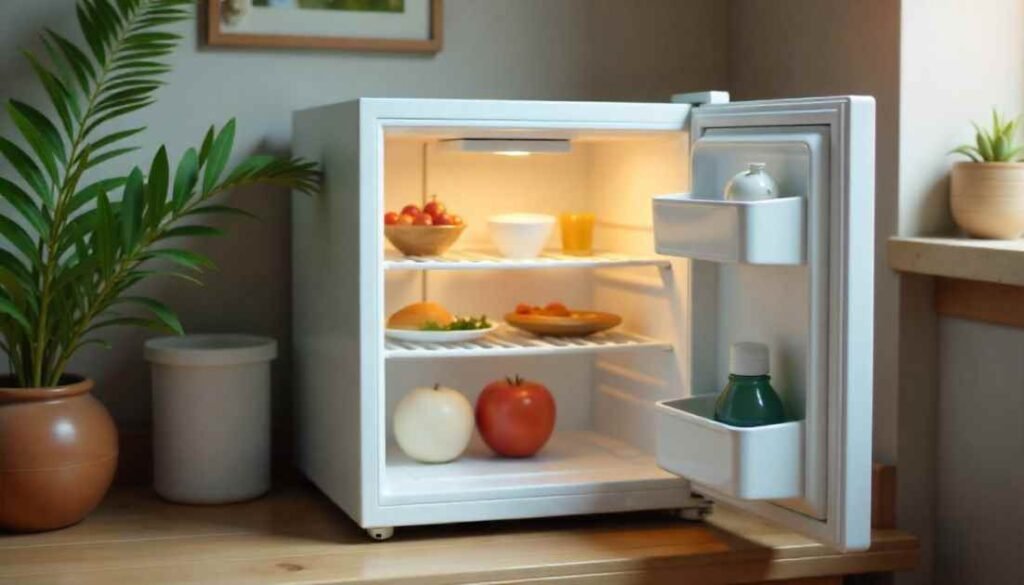
Think about what you want to keep cold. A few cans? Several bottles? A bowl of leftovers? Match the internal volume to your list. A 20–40 liter frigobar is great for drinks and small snacks. If you plan to keep leftovers, choose something larger and preferably with a small freezer compartment.
Shelving options matter. Adjustable shelves give flexibility. Bottle racks are a small feature but hugely convenient for soda and wine. A small crisper or drawer? Rare in very small units, but useful if you store fruits or vegetables occasionally.
Cooling Technology: Compressor vs Thermoelectric
Two main cooling methods appear in small units.
Compressor-based systems cool like standard refrigerators. They are efficient at maintaining low temperatures and work well in warm environments. They can be a bit noisier and slightly heavier.
Thermoelectric coolers use a Peltier element. They are quieter, lighter, and often cheaper. But they struggle in hot rooms and cannot reach very low temperatures reliably. If you need a strong, steady chill especially in a hot kitchen or sunlit place choose a compressor.
Energy Use and Ongoing Cost
A small recurring detail becomes a big cost over time: electricity. Look at the appliance’s energy consumption rating. A unit that is 10–20 percent more efficient can pay for itself over a few years.
Short sentence. Then detail: Insulating the space around your frigobar helps. Place it away from direct sunlight, and avoid tight cabinets that trap heat. Leave a few centimeters clearance for ventilation. That reduces compressor work and saves power.
Noise and Placement Considerations
Noise is rarely listed on spec sheets, so read reviews. If the unit will live in your bedroom, you want one rated quiet or thermoelectric. Offices? People near the unit may notice humming or clicking as the compressor cycles. Tip: put the frigobar on level flooring and check that feet or rubber pads are solid. Vibration can increase noise and long-term wear.
Design and Finish: More Than Looks
Yes, looks matter. Stainless steel doors, matte finishes, and glass-fronted beverage centers all exist. For some spaces, an integrated look with cabinet panels is best. For others, a retro or statement color is perfect. But always prioritize function over form. A fancy finish that dents easily is a poor tradeoff for a poor compressor.
Warranty and Brand Reputation
EEAT principle: trust, authority, and experience matter. Choose brands with clear warranties and accessible service networks. A 1-year warranty is common; 2–3 years for compressors is better. Read customer reviews about after-sales service. A reliable service center nearby is worth more than a slightly cheaper price.
Safety and Health: Food Storage Best Practices
Small units can get crowded, which reduces air circulation and leads to uneven cooling. Avoid overpacking. Use airtight containers for leftovers. Clean spills quickly. Regularly check temperature with a fridge thermometer — the safe range for perishables is below 5°C. If your frigobar struggles to reach that consistently, avoid storing high-risk foods.
Installation and Ventilation
Place the frigobar on a flat, stable surface. Leave manufacturer-recommended clearance on the back and sides for ventilation — typically 2–5 centimeters, though larger units may need more. Do not place the unit inside enclosed cabinets unless specifically rated for built-in use. Keep it away from direct heat sources like radiators or ovens.
Maintenance and Cleaning
Clean the interior every 3 months or when spills happen. Unplug before deep cleaning. Use mild soap and warm water; avoid harsh solvents. For frost-prone small freezers, defrost as recommended. Clean condenser coils if accessible — dusty coils make compressors work harder.
Troubleshooting Common Problems
Short list, then expand.
- Not cooling enough: Check ventilation, door seal, and temperature setting. If the compressor runs constantly, service may be needed.
- Excessive frost: Door may be left ajar or seal damaged. Defrost and inspect the gasket.
- Loud noise: Leveling feet, loose items, or compressor issues. Tighten or adjust as needed.
- Leaks: Could be defrost drain blockage or internal condensation issue. Clean the drain and check the tilt.
Accessories and Add-ons
Consider adding a small thermometer, a door lock (if guests use it), or adjustable shelving. A drip tray for defrost water is handy. For beverage centers, removable bottle cradles make life easier.
Where to Place a Frigobar in Your Home
Entry-level options:
- Bedroom: choose the quietest model.
- Office: compact and accessible; lockable doors add security.
- Living room or bar corner: choose a design-forward beverage center.
- Garage or workshop: pick a heavy-duty compressor model that handles temperature swings. Avoid thermoelectric in unconditioned spaces.
Buying Checklist — Quick Scan Before Purchase
- Capacity matches your needs.
- Compressor or thermoelectric according to environment.
- Energy rating provided.
- Quiet enough for intended room.
- Warranty and service network confirmed.
- Interior layout fits bottles and containers you use.
- Door swing direction fits your layout.
- Lock option if needed.
Cost Breakdown: Upfront Price vs Long Term
Upfront cost signals build quality to some degree, but not always. A higher upfront price for a model with a robust compressor and good insulation often returns savings through lower energy use and longer life. Also factor in potential repair costs and whether the warranty covers labor or parts.
Eco Tips: Make Your Frigobar Greener
Keep it stocked but not overstuffed; a filled but not overpacked fridge uses less energy than an empty one because thermal mass helps maintain temperature. Keep it clean, seal properly, and defrost when needed. Consider a model with an eco mode if you rarely need very cold temperatures.
Stylish Uses: Beyond Drinks
Frigobars are not just for beverages. Use one for:
- Beauty products that require cool storage like creams and serums.
- Medications that recommend refrigeration (check storage instructions).
- Craft supplies that benefit from cool, stable temperatures.
- Gourmet chocolate or specialty ingredients that need a temperate chill.
Short sentence. Creative uses increase the value of a frigobar beyond mere convenience.
When Not to Buy a Frigobar
If you need to store a large volume of food, need reliable freezing, or want multiple temperature zones, a full-size refrigerator is a better investment. Also, if your home is very hot (above typical room temp), thermoelectric units will disappoint.
Top Myths Debunked
Myth 1: A frigobar consumes negligible electricity. Not true. Small does not mean cheap to run.
Myth 2: All compact fridges are quiet. No — check reviews.
Myth 3: Thermoelectric is always better because it is quiet. It is quieter, but less powerful and poor in high ambient heat.
A Short Buying Scenario to Illustrate Choices
Case: You live in a small studio and want cold drinks plus occasional leftovers. A 65 L compressor-based unit with reversible door and removable shelves is likely perfect. If you mostly want drinks and are noise-sensitive, a 40 L thermoelectric unit near your desk may be acceptable but know its limits in hot months.
Long-Term Care: Extending Lifespan
Operate at recommended ambient temperatures. Clean coils and allow proper ventilation. Avoid aggressive knocks and keep the door seal clean. Small steps that prevent major repairs later.
Installation Hacks and Tips
- Allow at least a 30-minute rest after delivery if the unit was transported on its side.
- Use a surge protector for high-end units to protect the compressor.
- If you need to recess the unit into cabinetry, confirm the model is intended for built-in installation.
- If leveling feet are worn, replace them — stability matters.
Price Ranges and Value-for-Money Tips
Expect price ranges to vary by region and brand, but broadly: entry-level thermoelectric units are cheapest; compressor models cost more. Look for seasonal sales and rebates for energy-efficient models.
Conclusion: Is a Frigobar Right for You?
If convenience, space savings, and immediate access to chilled drinks are priorities, a frigobar is an excellent choice. Make choices based on what you store, the ambient environment, noise tolerance, and long-term energy cost.
Pick a reputable brand, check the warranty, and enjoy the small luxury of near-instant chill.
Frequently Asked Questions
Q: What is the difference between a frigobar and a mini fridge?
A: A frigobar is usually a very small, beverage-focused refrigerator. A mini fridge often includes a small freezer and more general food storage capability. The terms are often used interchangeably, so check specs.
Q: Can I keep food like milk and meat in a frigobar?
A: Short answer: limited. If the unit consistently reaches and maintains below 5°C and has good airflow, you can store dairy briefly. For raw meats and long-term perishables, a regular fridge is safer.
Q: How noisy are frigobars and how do I measure noise?
A: Noise varies by model. Look for decibel ratings or read user reviews. A comfortable bedroom standard is under 40 dB. Compressor cycles can make periodic noise even in otherwise quiet machines.
Q: Does a frigobar need a freezer compartment?
A: Not necessarily. If you need to freeze items, choose a model with a small freezer. Many people prefer a dedicated freezer for reliable freezing performance.
Q: Are thermoelectric frigobars efficient?
A: Thermoelectric units are efficient for low-power uses and quiet operation, but they are less effective at cooling in warm rooms and cannot match a compressor for performance.
Q: How often should I clean my frigobar?
A: Clean spills immediately and do a thorough interior cleaning every three months. Defrost manually if the model requires it. Check and clean condenser coils yearly if accessible.
Q: Is it safe to put a frigobar in a garage or unconditioned space?
A: Generally no for thermoelectric models. Compressor models can handle a wider temperature range, but extreme cold or heat can shorten life. Check manufacturer guidelines.
Q: Can I install a lock on my frigobar?
A: Many models offer lockable doors or have optional add-on locks. If security is a priority for your household or office, confirm lock compatibility.
Q: How much energy does a typical frigobar use each month?
A: Usage depends on compressor efficiency, size, and ambient temperature. Expect a small compressor-based unit to consume noticeably more than a thermoelectric model; check the energy label and calculate cost using your local electricity rate.
Q: What should I do if my frigobar leaks water?
A: Check for blocked defrost drain and ensure the unit is level. If the leak continues, contact service — it could indicate other internal issues.
Q: Is a glass door a good idea for a frigobar?
A: Glass doors look attractive for beverage centers but can allow more heat transfer and condensation in humid environments. They are great for display but slightly less efficient than solid doors.
Q: How do I transport a frigobar safely?
A: Move it upright if possible. If laid down, let it rest upright for a few hours before plugging in to allow compressor oil to settle. Check the manual for specific transport instructions.