
Muirajuba is a tropical hardwood prized for its warm golden tones strength and long service life. Whether you are planning a new deck selecting flooring or choosing timber for furniture this guide gives clear practical information to help you decide if muirajuba is right for your project In the pages that follow you will find an easy to read breakdown of what muirajuba is how it looks how it performs in real world use and what to ask when you buy.
We cover working tips, installation maintenance, environmental considerations and cost factors so you can compare options and pick the best approach for your needs.
What is muirajuba
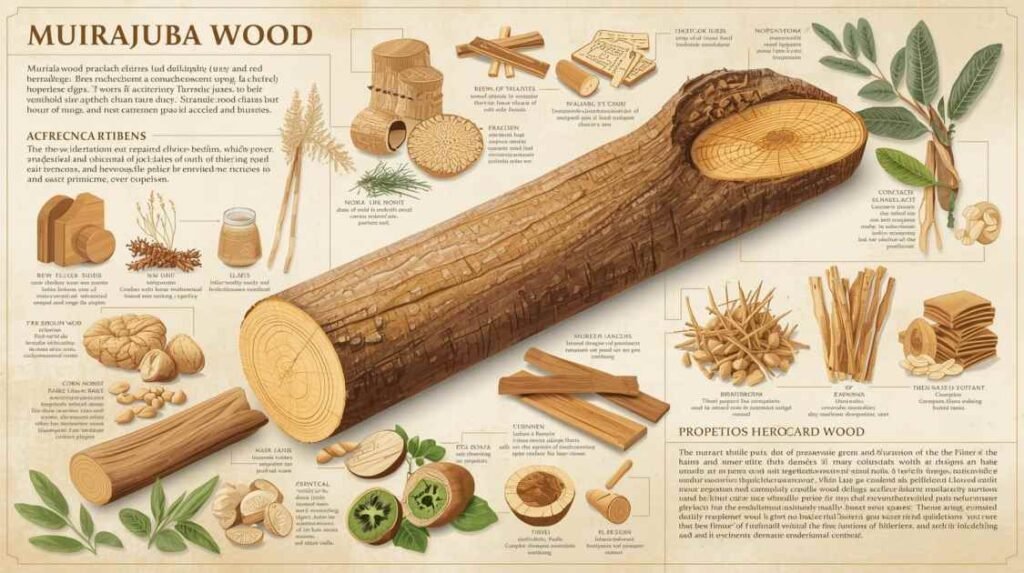
Muirajuba is a common trade name applied to a sturdy tropical hardwood species known botanically as Apuleia leiocarpa. This timber comes from large trees native to parts of South America It is valued for a combination of attractive color, natural durability and mechanical strength making it a frequent choice for decking heavy construction flooring and premium outdoor joinery.
Botanical identity and common names
The botanical classification places muirajuba in the legume family It is known by a variety of local names depending on region and language Being aware of alternative names helps when comparing product lists or checking specifications with suppliers
Natural appearance and grain
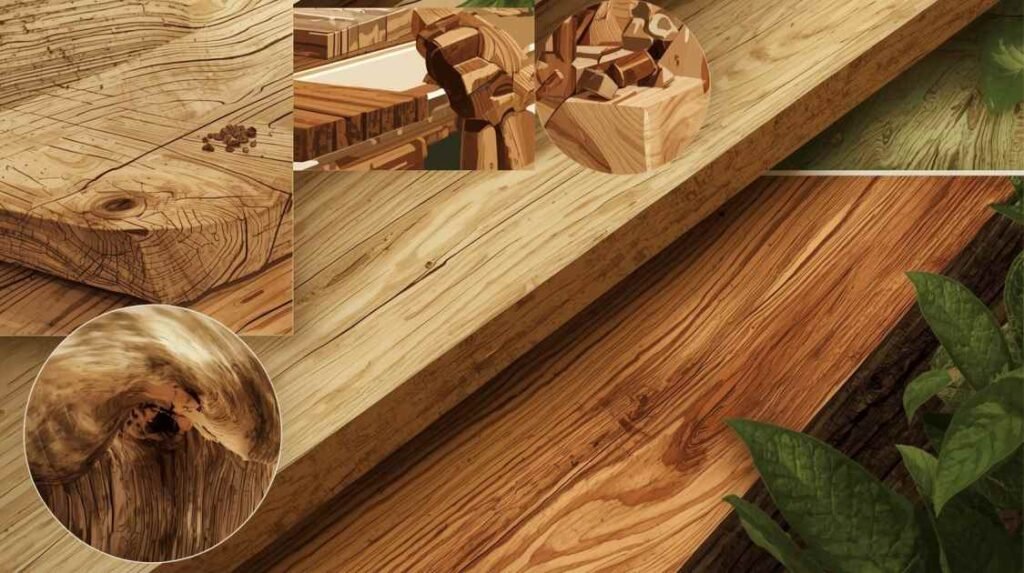
Muirajuba heartwood ranges from pale yellow to warm golden brown Some boards show a faint pink cast in certain cuts The grain is usually fine to medium and sometimes interlocked which gives subtle texture and visual interest The wood takes finishes well and develops richer tones when oiled or exposed to light
Texture and finishing behavior
Because of its fine texture and natural luster muirajuba sands smoothly and accepts oils varnishes and sealers evenly The relatively consistent surface appearance makes it a popular choice for visible floors and furniture where a refined final look matters
Strength hardness and stability
Muirajuba is a dense heavy timber with mechanical properties that support structural and wear intensive uses Its high hardness and crushing strength provide resistance to wear impact and heavy loads These traits are valuable for flooring and deck boards where durability is essential
Practical implications of high density
The density that gives muirajuba strength also means it is more demanding on tools Use sharp carbide blades and limit feed rates to avoid burning and reduce wear on cutters Pre drilling for fasteners is recommended to reduce splitting
Natural durability and pest resistance
Muirajuba offers good natural resistance to decay and many wood damaging pests When used correctly it performs well outdoors and in humid conditions Proper design detailing and protective finishes still matter to achieve long life in exposed situations
Variability in durability
Durability can vary depending on individual trees growth conditions and the portion of heartwood present When timber will be in direct ground contact or heavy wet exposure consider preservative treatments or select boards graded for such uses
Common applications and why muirajuba is chosen
Muirajuba is used for a range of applications that take advantage of its strength and color
• Exterior decking that needs long life and low maintenance
• Interior flooring where hardness and visual warmth are desirable
• Heavy construction such as beams and structural members in demanding settings
• Furniture that benefits from wear resistance and warm appearance
• Joinery and millwork that require stable boards and good finishing behavior
Builders and designers often select muirajuba when a balance of aesthetics durability and performance is needed
Why builders prefer muirajuba
Its combination of wear resistance finishability and visual appeal makes muirajuba especially useful in spaces that face both aesthetic and functional demands
Working properties and woodworking tips
Muirajuba works well with standard woodworking machinery but follow a few rules to get the best results
• Use carbide tipped saw blades and sharp cutters to reduce burning and obtain clean edges
• Pre drill for screws and fasteners to avoid splitting and to ensure secure joins
• Take light passes when planing or routing to minimize tear out in interlocked grain
• Sand progressively with fine grits for a smooth satin finish that highlights color
• Test finishes on scrap to confirm absorption and appearance before treating visible boards
Gluing and joining
Adhesives bond effectively when surfaces are flat and clean Clamping times may be slightly longer because of density so follow adhesive manufacturer guidance and test if unsure
Sourcing muirajuba boards and lumber
When buying muirajuba you will see different grades thicknesses and surface finishes Boards may be rough sawn kiln dried or machined For most visible interior uses kiln dried lumber is recommended to reduce movement after installation
Practical buying checklist
• Confirm the botanical name in specifications to avoid confusion with similar trade names
• Ask for current moisture content and whether the boards were kiln dried
• Inspect sample boards for knots straightness and consistent grain for appearance sensitive projects
• Request grading details and intended application grading for decking furniture or structural use
• For exterior projects ask about recommended treatments and whether boards arrived prefinished
Durability classes and preservative treatment
While muirajuba is naturally durable it is often classified in the moderately durable to durable range depending on specimen For ground contact and extreme exposure preservative treatment or surface protection adds a reliable safety margin Use products approved for the intended application and follow local regulations
Environmental considerations and sustainable sourcing
Like many tropical hardwoods muirajuba can be sourced from forests with different management practices Responsible buyers should confirm legality and sustainable management Chain of custody documentation or recognized certification increases confidence in sourcing
How to shop sustainably
• Request origin and chain of custody details from suppliers
• Choose vendors who source from managed forests or recognized programs
• Consider reclaimed or reused boards to reduce demand for new harvests
• Balance performance needs with environmental priorities by evaluating alternative species when appropriate
Cost considerations and market positioning
Muirajuba often carries a premium compared with common temperate softwoods due to its durability and appearance Pricing varies with grade origin and availability Clear visual grades command higher prices while mixed grade or structural stock is less costly
Value for money
If a project demands low maintenance and long life the upfront cost can be offset by reduced ongoing maintenance and replacement expenses For visible projects the golden color can also enhance perceived value
Installation best practices for decking and flooring
Correct installation greatly influences performance Follow these practical recommendations
• Acclimate boards to site moisture levels before installation
• Provide good ventilation and drainage under decks to avoid trapped moisture
• Allow consistent gaps for seasonal movement
• Use corrosion resistant fasteners suitable for dense tropical woods
• Follow supplier guidance for finish application and maintenance intervals
Fastener and hardware guidance
Choose stainless steel or specially coated screws designed to deliver holding power in dense timber Pre drilling helps prevent splitting and eases assembly
Maintenance and long term care
Keeping muirajuba looking and performing well requires regular attention The general rules apply to decks floors and furniture
• Clean surfaces to remove grit and debris that accelerate wear
• Reapply a penetrating oil or sealer according to manufacturer recommendations to protect color and surface
• Inspect and tighten fasteners periodically and repair any localized damage promptly
• Expect gradual color change outdoors as ultraviolet light affects surface pigments Use UV protecting finishes if you prefer to preserve original tones
Seasonal care
Avoid water pooling in wet seasons and treat minor surface checking promptly to prevent deeper moisture penetration In drier months monitor for increased surface checking and take protective action as needed
Comparisons with other popular timbers
Comparisons give perspective when choosing material
• Versus temperate hardwoods muirajuba is generally heavier harder and more durable outdoors
• Versus teak it offers similar durability but may need more attentive finishing to reduce ultraviolet fading
• Versus pressure treated softwood it provides a warmer aesthetic and often longer service life though at a higher initial cost
Choose based on performance expectations installation conditions and budget
Pros and cons of choosing muirajuba
Pros
• Strong natural durability suitable for exterior and high traffic areas
• Warm golden tones that enhance many designs
• High hardness and wear resistance for flooring and decking
• Good finishing properties when worked with sharp tools
Cons
• Hard density increases wear on tools and requires appropriate cutters
• Regional availability varies which affects price and lead time
• Sustainability is dependent on sourcing practices and documentation
• Color will change over time unless protected with UV resistant finishes
Typical defects and how to spot them
Watch for common issues when inspecting stock
• Large irregular knots that affect appearance or structural use
• Drying checks and splits from rapid drying or improper storage
• Sapwood discoloration which may signal lesser durability if left untreated
• Warping or cupping due to uneven moisture content across a board
Acceptable defect levels should match the intended grade and end use
Case studies and real world uses
Muirajuba performs well in public outdoor projects commercial decks and high end residential installations when combined with good design and correct hardware Typical project steps include:
1 List performance requirements and desired appearance
2 Source certified or documented boards with appropriate moisture content
3 Acclimate stock on site and install with corrosion resistant fixings
4 Finish with a penetrating oil that offers UV protection and maintain on schedule
Health and safety when working with muirajuba
Some dense tropical hardwood dusts can irritate skin and airways Apply standard safety measures
• Wear a suitable respirator when sanding or cutting
• Use dust extraction on power tools when possible
• Wear gloves and eye protection to avoid splinters and debris
• Avoid prolonged skin contact with fresh sawdust if you have sensitive skin
If allergic symptoms occur seek medical advice
How to choose a supplier and what to ask
When selecting timber ask clear questions so you get the right product
• What is the botanical name and origin of the lumber
• Was the lumber kiln dried and what is the moisture content
• Can you see chain of custody or certification documentation
• What grade is the lumber and what defects were permitted
• What finishing and installation guidance do you provide for exterior applications
Quick reference summary
• Botanical name Apuleia leiocarpa
• Typical color Golden yellow to warm brown
• Durability Naturally resilient but benefits from protective finishes for extreme exposure
• Hardness High relative to many temperate hardwoods
• Common uses Decking flooring furniture and heavy construction
Conclusion
Muirajuba is a versatile timber that blends attractive warm color with mechanical strength and natural durability When sourced responsibly and installed with sound detailing it offers long lasting performance for decking flooring furniture and structural tasks. The keys to success include confirming origin and grade acclimating boards before installation using appropriate fasteners and keeping a predictable maintenance schedule.
Regular cleaning and the use of UV protective finishes will preserve color and extend service life If you are planning a project weigh the upfront cost against durability benefits and sustainability considerations. Ask suppliers for clear documentation and insist on sample boards when appearance matters. We welcome your questions and comments. Tell us about your project and we can help you choose the right approach.
FAQ
Q What is muirajuba in simple terms
A: A tropical hardwood known for golden color strength and good natural durability
Q Is muirajuba good for outdoor decking
A: Yes it performs well outdoors when installed with proper ventilation corrosion resistant fixings and protective finishes
Q Does muirajuba need special sealers
A: Use quality outdoor penetrating oils or sealers designed for dense timbers to protect against moisture and UV
Q Can muirajuba be used for indoor flooring
A: Yes its hardness and wear resistance make it an excellent flooring option with proper acclimation
Q How do I maintain a muirajuba deck
A: Clean regularly reapply a penetrating oil or sealer as recommended and inspect fasteners and boards at least once a year
Q Are there sustainability concerns with muirajuba
A: Sourcing matters Choose suppliers that provide chain of custody documentation or work with managed forests
Q How difficult is muirajuba to machine at home
A: It can be machined with sharp carbide tools and dust extraction Use a respirator and eye protection and pre drill for fasteners
Q How do I prevent color change in muirajuba
A: Apply UV blocking finishes and maintain them on a regular schedule to slow natural weathering and preserve the original golden tone